
 See Our Latest Article on HelloNation
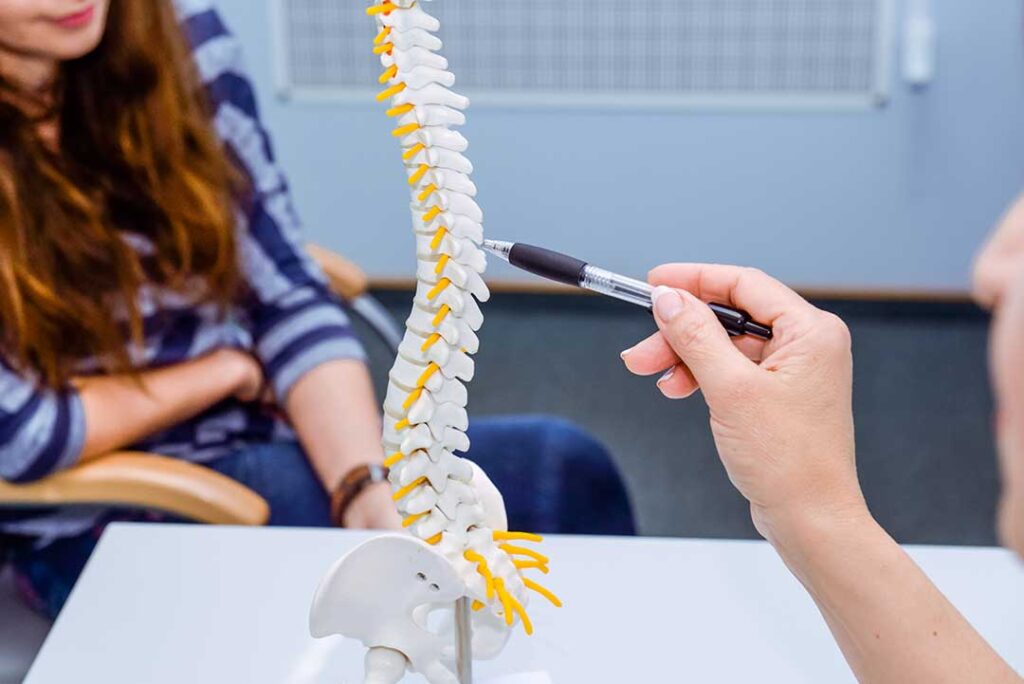
How Does Posture Affect Children’s Health?
Good posture is fundamental for children’s health and wellbeing, supporting growing bodies as they learn, play, and study. Poor posture, especially during long hours at school or home, can contribute to back and neck discomfort, fatigue, and sometimes even headaches.
Arcadia families often notice that children spend more time sitting—whether at school desks, in local libraries, or during after-school screen time. Over time, slouching or sitting awkwardly can hinder a child’s comfort and concentration, making schoolwork more challenging.
What Are Common Ergonomic Mistakes for Local Students?
Many students in the city use furniture that isn’t sized for them, hunch over books or screens, or carry heavy backpacks. These seemingly small issues can become habits that affect their posture both now and in the future.
Some typical local patterns that may lead to discomfort include:
- Using adult-sized chairs and tables at home for homework
- Leaning forward on the dining table to see tablets or phones
- Carrying backpacks with only one strap, especially around neighborhood schools
- Sitting for long stretches without breaks, especially during local winter months when outdoor play is limited
Even a well-meaning setup can inadvertently encourage poor habits if not matched to a child’s age and size.
What Should Backpacks Weigh for Arcadia, NY Children?
Backpacks are a familiar sight across the city, especially before and after school. For many families, the backpack’s weight is an afterthought, but it can significantly impact posture and comfort.
A child’s backpack should ideally weigh less than 10-15% of their body weight. For a 60-pound child, the fully packed bag should not exceed 6 to 9 pounds. Signs that a pack is too heavy can include difficulty putting it on, leaning forward while walking, or shoulder marks after carrying it.
To make backpack use safer:
- Pack only required items; remove unnecessary books and gadgets daily
- Encourage children to wear both straps to distribute weight evenly
- Adjust straps so the pack rests in the middle of the back, not low at the hips
How Can Parents Create an Ergonomic Study Area at Home?
Setting up a homework spot that fits a child’s body (not just the available furniture) can help reduce slouching and discomfort, especially for those long winter study sessions when outdoor activity is limited.
Key things to watch for in an at-home study setup:
- Feet should rest flat on the floor or a sturdy support
- Knees and hips should be bent at roughly 90-degree angles
- The seat of the chair should allow the child’s lower back to rest comfortably against the backrest
- The top of screens or books should be at or just below eye level
- Wrists and forearms should be supported and level when typing or writing
If adult-sized tables or chairs are the only option, use cushions, sturdy boxes, or even a footrest made from household items to create the right body angles.
What Are Good Habits for Remote Learning or Screen Time?
Many local families use digital learning or recreational screen time. Staring at a tablet, laptop, or phone for long periods can strain both posture and eyes.
Encourage these smart habits for breaks and movement:
- Take a few minutes to stand up and stretch every 20–30 minutes
- Alternate between sitting and standing positions when possible, such as using higher counters or adjustable tables
- Encourage children to look away from screens regularly—to a distant window view, or across the room—to relax neck and eye muscles
Remind kids to lean back comfortably against the chair when watching screens and avoid lying on their stomach with a device propped up, which can quickly create neck strain.
How Can Arcadia’s Seasons and Homes Affect Children’s Ergonomics?
Weather and housing layouts sometimes influence how and where students study. During winter months, children in area homes may study in kitchens, bedrooms, or living rooms that aren’t ideally set up for long stretches at a desk.
In multi-level homes, children may do homework on couches or floors. While it’s not practical for all families to dedicate a room to studying, varying posture throughout the day—couch reading, then table homework, then floor stretches—can help reduce constant pressure on the same joints and muscles.
Area residents can also encourage “movement breaks” such as walking up and down stairs, stretching near a sunny window, or reaching for books on higher shelves as easy ways to add natural activity to the day.
Are Desk Exercises Helpful for Local Students?
Simple exercises can help counteract the effects of sitting. Active movement supports flexibility, circulation, and focus, whether at home or in the classroom.
Some easy options:
- Shoulder rolls backward and forward while sitting
- “Seated twist”: gently rotate the upper body while seated, holding the edge of the chair
- Standing and reaching arms overhead or to the sides every hour
Local physical education routines or short walks in the yard can also supplement these small exercises for children who might be stuck inside due to weather.
What Misconceptions Do Families Have About Children’s Posture?
A common misconception is that children are naturally resilient and won’t suffer from poor posture. While their bodies are adaptable, the daily repetition of slouching or sitting awkwardly can add up, sometimes leading to ongoing discomfort or difficulty concentrating.
Families may also believe posture issues are only important for adults. However, setting healthy habits early can help children avoid back problems and promote strength and balance into adulthood.
Many area residents assume providing a supportive chair is enough. While helpful, it’s also essential for kids to move regularly and have different places to read, write, and play.
When Should Families Seek Medical Guidance?
Most posture-related discomfort in children can be improved with practical home changes and regular movement. If a child experiences persistent pain, numbness, or tingling, or begins to avoid physical activity, checking with a healthcare provider is wise.
Local health resources, school nurses, or pediatricians can offer advice tailored to individual needs, taking into account the unique rhythms and routines of life in Arcadia, NY.
