
 See Our Latest Article on HelloNation
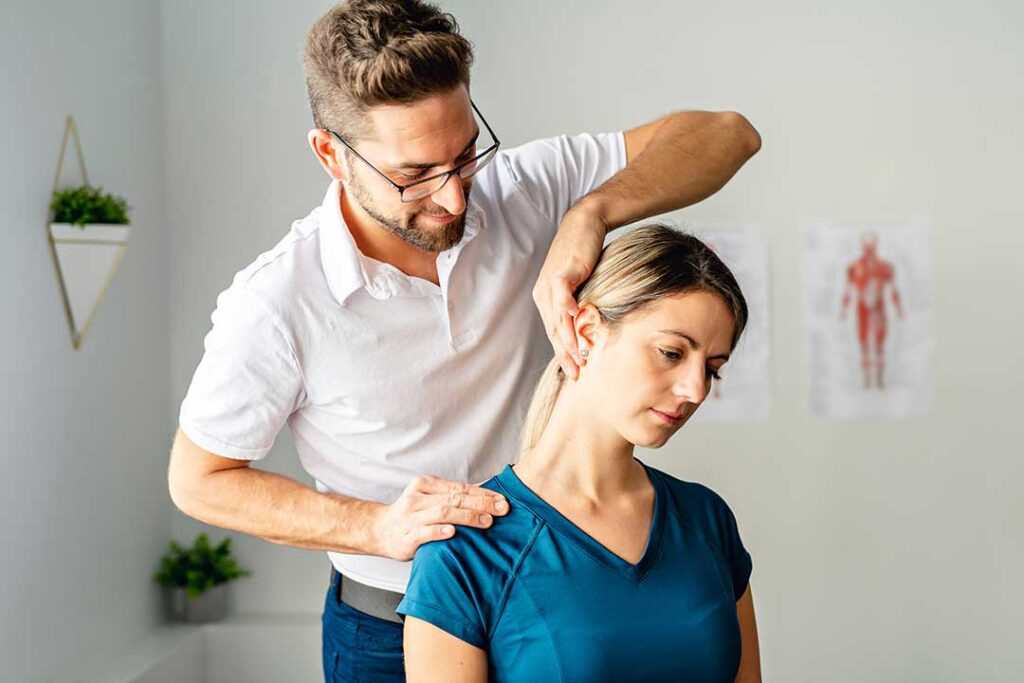
Pregnancy-related back pain is common, but it should not automatically be dismissed as something that must simply be endured. Changes in posture, body weight, abdominal support, ligaments, and balance can all affect the lower back and pelvis. Most discomfort can be managed with gentle movement, positioning, supportive habits, and guidance from a prenatal care team. ([mayoclinic.org](https://www.mayoclinic.org/healthy-lifestyle/pregnancy-week-by-week/in-depth/pregnancy/art-20046080?utm_source=openai))
Why does pregnancy cause back pain?
Pregnancy changes how the body carries weight. As the uterus grows, the center of gravity shifts forward, which may encourage leaning backward or arching the lower back. The abdominal muscles also stretch, while pregnancy hormones loosen some ligaments around the pelvis. Together, these changes can place extra stress on the muscles and joints of the lower back. ([acog.org](https://www.acog.org/womens-health/faqs/back-pain-during-pregnancy?utm_source=openai))
Pain may be felt across the low back, around the hips, or near the pelvic joints. It may become more noticeable after standing, walking, lifting, climbing stairs, or completing household tasks. Seasonal chores, long periods on the feet, and navigating slippery outdoor surfaces can also make balance and body mechanics more challenging for local residents.
What can be done at home to ease discomfort?
The safest approach is usually to reduce strain without becoming completely inactive. Short periods of comfortable movement often work better than prolonged bed rest.
Helpful strategies include:
- Sit in a chair with back support, or place a small cushion behind the lower back.
- Change positions regularly instead of sitting or standing for long stretches.
- Bend at the knees and keep objects close to the body when lifting.
- Avoid twisting while carrying laundry, groceries, children, or household items.
- Turn by moving the feet rather than rotating through the spine.
- Wear supportive shoes with a stable sole and comfortable fit.
- Take brief walking breaks when working at a desk or standing in the kitchen.
- Ask for assistance with heavy, awkward, or slippery items.
A wide stance and slower movements can improve balance as pregnancy progresses. During winter conditions, using cleared walkways and avoiding rushed steps can reduce the chance of a fall or sudden back strain.
Is walking or exercise safe during pregnancy?
For many people with uncomplicated pregnancies, walking, swimming, water exercise, and pregnancy-appropriate strengthening can help maintain the muscles that support the back. Exercise should not cause pain, dizziness, bleeding, fluid leakage, chest pain, regular painful contractions, or unusual shortness of breath. If any of these symptoms occur, stop and contact the obstetric care team. ([acog.org](https://www.acog.org/womens-health/faqs/back-pain-during-pregnancy?utm_source=openai))
Anyone who was inactive before pregnancy should begin gradually rather than starting with demanding workouts. A practical starting point may be a short, easy walk on level ground, followed by rest and hydration. The “talk test”—being able to carry on a conversation while exercising—can help indicate that the pace is moderate rather than excessive. ([acog.org](https://www.acog.org/clinical/clinical-guidance/committee-opinion/articles/2020/04/physical-activity-and-exercise-during-pregnancy-and-the-postpartum-period?utm_source=openai))
A gentle hands-and-knees movement may also help some people:
1. Place the hands beneath the shoulders and knees beneath the hips.
2. Keep the neck relaxed and the back in a comfortable neutral position.
3. Gently draw in the abdominal muscles and round the back slightly.
4. Return slowly to the starting position without forcing the movement.
5. Repeat only as long as the motion remains comfortable.
Before beginning new exercises, ask the obstetric provider whether they are appropriate for the pregnancy. Certain complications require modified activity or specific restrictions.
How should sleep and rest be adjusted?
Side-lying can be more comfortable later in pregnancy than lying on the stomach or remaining flat on the back. A pillow between the knees may help keep the hips and pelvis aligned. Another pillow under the abdomen or behind the back can reduce pulling on the lower spine. ([mayoclinic.org](https://www.mayoclinic.org/healthy-lifestyle/pregnancy-week-by-week/in-depth/pregnancy/art-20046080?utm_source=openai))
Rest is useful, but complete inactivity may increase stiffness and reduce strength. Alternating gentle movement with short rest periods is often more practical than staying in bed for long periods.
Are heat, cold, massage, or support garments safe?
A warm—not hot—pack may relax sore muscles. Use the lowest comfortable setting, place a cloth between the heat source and skin, and limit the duration to reduce the risk of burns. A cold pack wrapped in a towel may also help after activity or when the area feels irritated. ([mayoclinic.org](https://www.mayoclinic.org/healthy-lifestyle/pregnancy-week-by-week/in-depth/pregnancy/art-20046080?utm_source=openai))
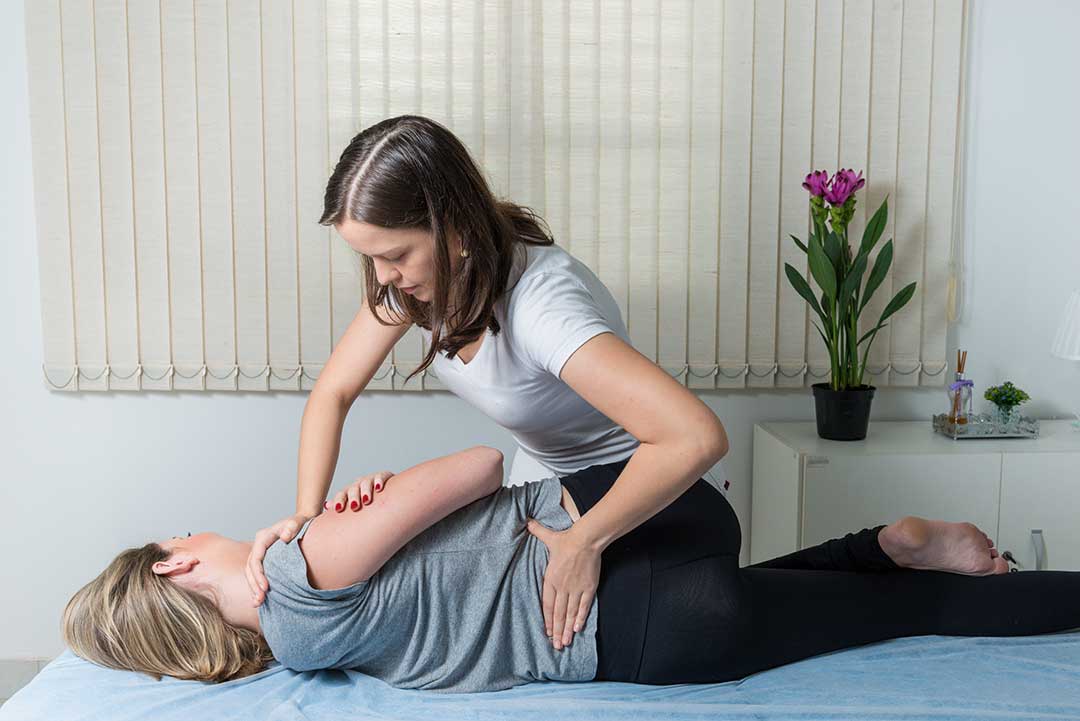
Gentle massage may provide temporary comfort, although it may not address the underlying cause of persistent pain. Support garments or pelvic belts help some pregnant people, but fit and positioning matter. A belt that is too tight, poorly placed, or uncomfortable should not be used without guidance from a qualified healthcare professional.
Medication should be discussed with the pregnancy care provider before use. Even common over-the-counter pain relievers may not be appropriate in every trimester or for every medical condition.
Can chiropractic care be considered during pregnancy?
Some pregnant patients consider chiropractic care, physical therapy, or other hands-on approaches for back or pelvic discomfort. Evidence suggests that certain complementary treatments may help some people, but treatment should be individualized and coordinated with the obstetric care team. ([mayoclinic.org](https://www.mayoclinic.org/healthy-lifestyle/pregnancy-week-by-week/in-depth/pregnancy/art-20046080?utm_source=openai))
Before receiving chiropractic treatment, tell the chiropractor that you are pregnant and disclose the stage of pregnancy, medical conditions, symptoms, prior injuries, and any activity restrictions. A careful evaluation should come before treatment. Forceful or painful techniques are not appropriate simply because pain is present. The goal should be comfortable movement and function, not aggressive manipulation.
Chiropractic care should not replace evaluation for symptoms that may indicate infection, early labor, nerve involvement, or another pregnancy complication.
When does pregnancy-related back pain require prompt medical attention?
Contact the obstetric provider promptly for severe pain, pain that persists beyond about two weeks, or pain that follows a fall or injury. Back pain may sometimes occur with a urinary tract infection or preterm labor. Warning signs include:
- Fever or chills
- Burning or pain during urination
- Vaginal bleeding or fluid leakage
- Regular cramping or contractions
- New pain under the ribs or in the side
- Significant weakness, numbness, or difficulty walking
- Loss of feeling in the legs, buttocks, or genital area
Back pain accompanied by these symptoms should not be managed solely with home exercises, massage, or spinal care. A medical assessment is needed to determine whether the pain is musculoskeletal or connected to a pregnancy-related condition. ([acog.org](https://www.acog.org/womens-health/faqs/back-pain-during-pregnancy?utm_source=openai))
For many residents in Arcadia, NY, a combination of supportive footwear, careful lifting, regular low-impact movement, sleep positioning, and timely communication with the prenatal care team can make daily activities more manageable while protecting safety for both parent and baby.
