
 See Our Latest Article on HelloNation
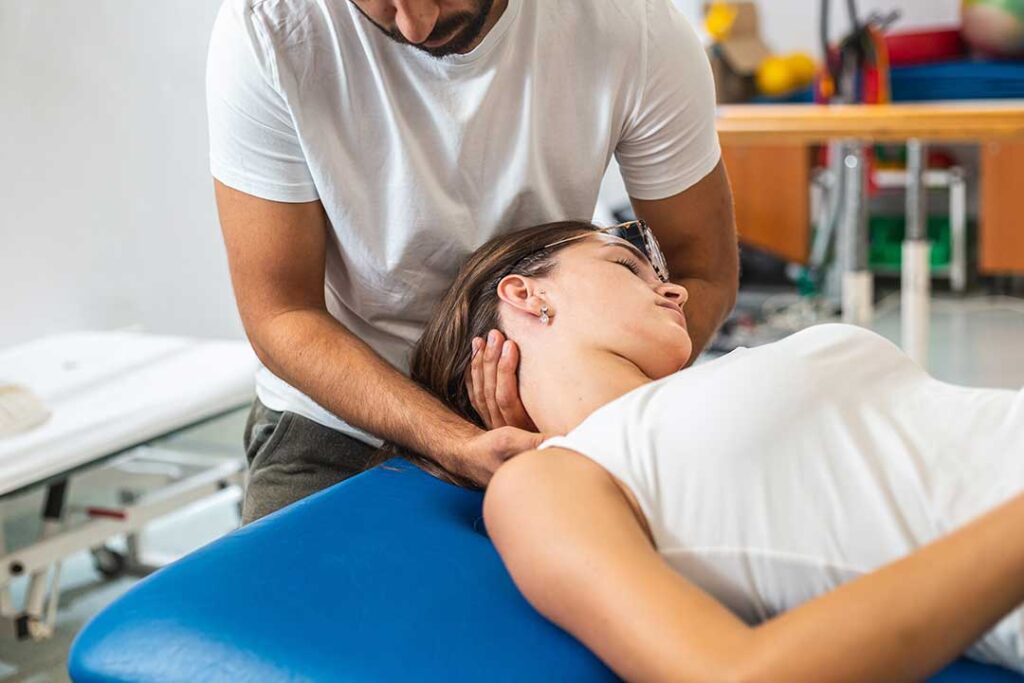
What is the Graston Technique?
The Graston Technique is a form of instrument-assisted soft-tissue mobilization, often abbreviated as IASTM. It uses smooth, specially designed tools to apply controlled pressure and gliding strokes to muscles, tendons, fascia, and other soft tissues.
In chiropractic care, it may be used alongside exercise, joint mobilization, stretching, posture education, and other conservative approaches. The instruments do not “break up” scar tissue in a literal mechanical sense. Instead, the treatment is intended to provide focused contact with areas that feel restricted, sensitive, or difficult to address with hands alone.
For residents of Arcadia, NY, this type of care may come up after activities such as gardening, recreational sports, home repairs, snow removal, or prolonged sitting during winter months.
What happens during a session?
A session usually begins with a health history and movement assessment. The practitioner may ask about the location of pain, how it started, activities that aggravate it, and whether there is weakness, numbness, swelling, or loss of motion.
If soft-tissue treatment is appropriate, the skin is generally examined for irritation, bruising, swelling, or other conditions that could make treatment unsafe. A small amount of lotion or emollient may be used so the instrument can move across the skin without excessive friction.
The instrument is then applied with varying pressure and direction. Treatment may cause mild tenderness, warmth, or a pulling sensation. Some people develop temporary redness or small areas of bruising, particularly when tissue is sensitive or highly vascular. Severe pain is not an expected goal, and treatment intensity should be adjusted if symptoms become sharp or excessive.
A session may be followed by gentle movement, stretching, strengthening, or instructions for gradually returning to normal activity. The soft-tissue work is generally one part of a broader plan rather than a complete treatment by itself.
What conditions may be treated?
IASTM is commonly considered for musculoskeletal complaints involving soft tissues. Examples may include:
- Muscle tightness after repetitive activity
- Tendon irritation or tendinopathy
- Reduced movement after an injury has begun healing
- Mild strains and overuse problems
- Localized discomfort around the shoulder, elbow, wrist, hip, knee, ankle, or lower back
- Scar-related restrictions after a healed injury or surgery, when appropriate
The technique is not a universal treatment for every source of pain. Pain caused by a fracture, infection, significant ligament injury, nerve compression, blood clot, systemic illness, or internal organ problem requires a different evaluation.
A person with sudden swelling, major weakness, inability to bear weight, deformity, rapidly increasing redness, fever, or severe pain should seek timely medical assessment rather than relying on soft-tissue treatment. Significant muscle tears may require medical care and, in some cases, surgical treatment. ([my.clevelandclinic.org](https://my.clevelandclinic.org/health/diseases/22336-muscle-strains?utm_source=openai))
Does the research prove that Graston works?
The evidence is mixed, and claims should be kept modest. Research on IASTM includes studies of different instruments, treatment methods, conditions, and outcome measures, which makes broad conclusions difficult.
An earlier systematic review found that some studies reported short-term improvements in range of motion, while results for common musculoskeletal conditions were inconsistent. ([pubmed.ncbi.nlm.nih.gov](https://pubmed.ncbi.nlm.nih.gov/27713575/?utm_source=openai)) A later systematic review and meta-analysis reported very-low-quality evidence and did not find clinically meaningful overall improvements in pain, function, or range of motion compared with other approaches. It also emphasized exercise and physical activity as important parts of musculoskeletal rehabilitation. ([pubmed.ncbi.nlm.nih.gov](https://pubmed.ncbi.nlm.nih.gov/35611579/?utm_source=openai))
This does not mean that no one feels better after treatment. Temporary changes in sensitivity, movement, or muscle comfort can occur. However, improvement after a session does not establish that scar tissue was permanently removed or that the technique treats the underlying cause in every case.
A reasonable approach is to judge the treatment by practical outcomes: improved ability to move, better tolerance for daily tasks, reduced symptoms over time, and progress with an active rehabilitation plan.
Is bruising normal?
Mild redness or bruising can occur, but it is not required for treatment to be effective. Bruising results from small blood vessels being irritated under the skin and does not prove that a deeper problem was corrected.
People who bruise easily, take blood-thinning medication, have a bleeding disorder, or have fragile skin may face greater risk. The treatment area should also be avoided when there is an open wound, active skin infection, unexplained swelling, or an acute injury that has not been evaluated.
Current expert discussions of IASTM precautions emphasize screening for medical conditions and adjusting treatment to the individual rather than applying a fixed amount of pressure to everyone. ([pmc.ncbi.nlm.nih.gov](https://pmc.ncbi.nlm.nih.gov/articles/PMC11941819/?utm_source=openai))
Who should avoid or postpone the technique?
The appropriate decision depends on the person’s health history and the reason for the pain. Extra caution or postponement may be needed with:
- An acute fracture, dislocation, or suspected major tear
- Open skin, rash, cellulitis, or other active infection
- Unexplained bruising or bleeding
- A known bleeding disorder or use of anticoagulant medication
- Suspected blood clot
- Severe osteoporosis or fragile connective tissue
- Recent surgery unless the surgical team has cleared soft-tissue work
- Active cancer in or near the treatment area
- Loss of sensation that makes it difficult to judge pressure or pain
Pregnancy is not automatically a reason to avoid all manual care, but treatment areas, positioning, and pressure may need modification. A complete medical history is essential before treatment begins.
How does it fit with chiropractic care?
Soft-tissue treatment may help address muscle guarding or restricted movement, but it does not replace evaluation of the spine, joints, nerves, movement patterns, or daily activities contributing to symptoms.
For example, someone whose lower back becomes sore after repeated shoveling may need more than tissue work. Useful components could include improved lifting mechanics, hip and trunk strengthening, pacing, recovery time, and assessment for symptoms that travel into the leg.
Similarly, an individual with shoulder discomfort from painting or home maintenance may need graded strengthening and movement retraining rather than repeated treatment to a tender area.
The most useful plan is usually the one that connects treatment with a clear functional goal, such as walking comfortably, reaching overhead, climbing stairs, returning to exercise, or completing household tasks.
What should Arcadia residents ask before treatment?
Before receiving instrument-assisted soft-tissue mobilization, it is reasonable to ask:
- What diagnosis or working explanation fits the symptoms?
- What is the purpose of using the instrument?
- What other treatments will be included?
- How much soreness or bruising is expected?
- What symptoms would mean the treatment should stop?
- What exercises or activity changes support recovery?
- How will progress be measured?
- What is the plan if symptoms do not improve?
Residents managing seasonal activities should also consider timing. Starting intense yard work, recreational exercise, or snow removal immediately after a treatment session may increase soreness. Gradual activity, adequate warm-up, hydration, rest, and attention to warning signs are generally more useful than trying to push through worsening pain.
Graston Technique can be a reasonable soft-tissue option for selected musculoskeletal problems, but it should be understood as an adjunct—not a cure-all. Care is safest when the underlying complaint has been screened, contraindications have been considered, and hands-on treatment is combined with active movement and realistic recovery goals.
